Ever tried to capture a birthday cake’s candles flickering, only to end up with a shaky, grainy clip that looks like it was filmed on a tinny camcorder? You are not alone. Many creators discover that their phone’s video quality can make or break a moment, most when they need crisp, cinematic footage without hauling heavy gear.
In this guide we will walk you through everything you need to know to pick. Use the best phone video camera for your style, budget, and shooting conditions. You will learn how sensor size, stabilization, software. Accessories work together, and you will leave with a clear action plan that lets you film like a pro on the go.
📌 AT A GLANCE
- ✓Sensor Size Matters: Larger sensors capture more light, giving richer colors and smoother low‑light power.
- ✓Stabilization Types: Optical and sensor‑shift stabilization beat digital roll‑out for steady shots.
- ✓Software Power: Real‑time HDR, AI framing, and manual controls unlock pro results.
- ✓Accessory Boost: External lenses, gimbals, and microphones can turn a phone into a mini‑cinema rig.
- ✓Future‑Proof Buying: Look for 5G, fast storage, and upgradable firmware to stay current.
Why Best Phone Video Camera Matters: Key Fundamentals
Understanding the core tech behind a phone’s video system helps you avoid costly mistakes. A larger sensor paired with true optical image stabilization (OIS) can capture smooth, bright footage even when you walk or run.
Meanwhile, software tricks like HDR video and AI scene detection fill in missing detail. This makes the final clip look polished without extra editing. For complementary picks and expert testing advice, see our guide on Best Low Light Camera Phone Tips and Best Practices.
Check the phone lists a sensor larger than 1/2.55″. Bigger sensors win low‑light tests.
Record a walk‑and‑talk video; look for wobble. OIS or sensor‑shift should keep it steady.
Ensure the device records in HEVC 10‑bit for future‑proof editing.
Open the native camera app; confirm you can adjust ISO, shutter, and focus.
These fundamentals also dictate how well a phone will handle tough scenarios such as concerts, night shoots, or fast‑action sports. By mastering the basics you can pick a device that gives pro‑grade video without needing a separate camcorder.
- Sensor Size: Bigger sensors gather more photons, reducing noise and improving dynamic range.
- Stabilization Tech: OIS moves the lens, while sensor‑shift shifts the sensor itself for smoother motion.
- Codec Choice: H.265 (HEVC) offers better compression than H.264, saving storage without losing quality.
- Frame Rate Options: 60 fps for smooth motion, 120 fps for slow‑motion. 24 fps for cinematic feel.
- Software Suite: Built‑in manual mode, HDR video, and AI auto‑framing give you creative control.
Keeping these pillars in mind will guide your buying decision. Set realistic expectations for what your phone can achieve.
Choosing the Right Phone: Top Models for 2026
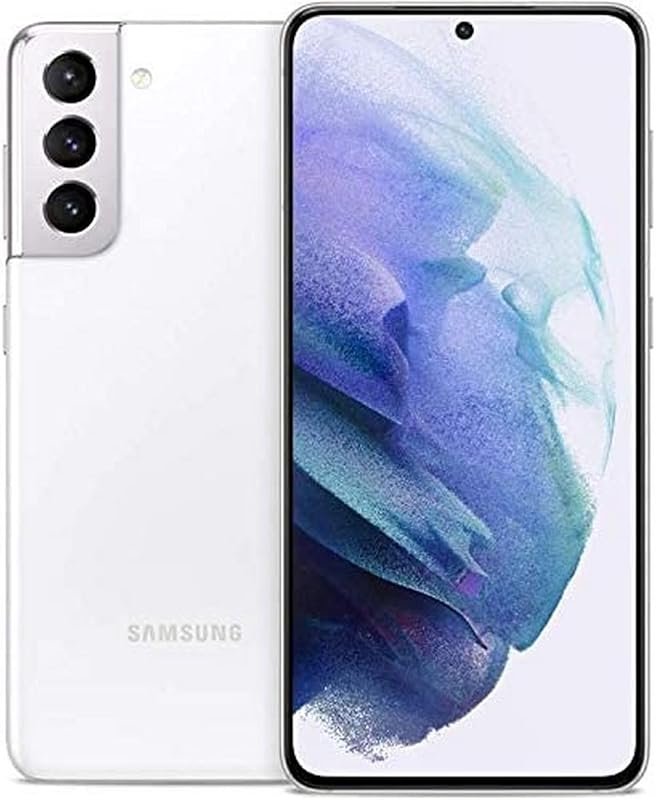
2026 brings several flagship phones that raise the bar for mobile video. The Samsung Galaxy S28 Ultra, Apple iPhone 16 Pro Max. Google Pixel 9 Pro all claim cinema‑grade video. But they differ in sensor design, stabilization, and software workflow.
If you plan to edit on a laptop with limited storage, focus on phones that record in HEVC 10‑bit. The smaller file size saves space while preserving color depth.
Below is a quick snapshot of each model’s video specs, letting you compare at a glance. Decide which aligns best with your priorities. Whether you need low‑light prowess, the smoothest stabilization, or the most flexible manual controls.
- Samsung Galaxy S28 Ultra: 108 MP 1/1.33″ sensor, dual‑axis OIS + sensor‑shift, 8K@30 fps, 10‑bit HEVC.
- Apple iPhone 16 Pro Max: 48 MP 1/1.7″ sensor, sensor‑shift OIS, ProRes 4K@30 fps, Cinematic mode 4K@24 fps.
- Google Pixel 9 Pro: 50 MP 1/1.31″ sensor, OIS + AI‑Stabilizer, HDR video, 4K@60 fps, 10‑bit VP9.
- OnePlus 12 Pro: 64 MP 1/1.5″ sensor, OIS, 8K@30 fps, Hasselblad color tuning, 10‑bit HEVC.
- Xiaomi 14 Ultra: 108 MP 1/1.28″ sensor, dual‑axis OIS, 8K@30 fps, 12‑bit RAW video.
When you compare these specs, think about which feature matters most for your projects. If you often shoot in dim venues, the larger 1/1.33″ sensor on the Samsung may give you the edge. For editors who love Apple’s ProRes workflow, the iPhone 16 Pro Max stands out.
Essential Accessories to Elevate Video Quality
Even the best built‑in camera can benefit from a few well‑chosen accessories. External lenses add macro, wide‑angle, or telephoto skills that the phone’s native optics may lack. A handheld gimbal offers buttery‑smooth motion for moving shots. An external microphone improves audio clarity dramatically.
Below is a curated list of accessories that pair perfectly with the top 2026 phones. Help you achieve a truly cinematic result.
- Wide‑Angle Lens: Expands field of view for landscapes and tight interiors.
- Macro Lens: Enables close‑up detail of insects, textures, and product shots.
- Telephoto Adapter: Provides 2×–3× optical zoom without losing quality.
- 3‑Axis Gimbal: Stabilizes walking or running shots, key for vloggers.
- Shotgun Mic: Captures directional sound, cutting out background noise.
- LED Light Panel: Adds easy to steer illumination for night or indoor shoots.
Investing in a quality lens kit. A steady gimbal can transform a phone into a handy video tool that rivals dedicated cameras in many scenarios.
Step‑by‑Step Shooting Workflow for Professional Results
Even the most strong phone needs a solid workflow to get the best footage. Follow these steps from pre‑shoot to post‑production to ensure your video looks polished and ready for sharing. For complementary picks and expert testing advice, see our guide on Find the Best Camera for Video Blogging.
Each stage builds on the previous one. So take time to set up correctly before you hit record.
- Plan Shot List: Write a brief outline of each scene, noting lighting and movement.
- Set Manual Controls: Choose ISO, shutter speed, and focus before you start recording.
- Check Stabilization: Turn on sensor‑shift OIS and attach a gimbal if moving.
- Record Test Clip: Capture a 5‑second test to check exposure and framing.
- Capture Main Footage: Follow your shot list, using headphones to monitor audio.
- Backup Files: Transfer video to a laptop or cloud storage right away after shooting.
By rehearsing these steps, you reduce the chance of missed shots and save hours in editing.
Advanced Editing Tips for Phone‑Captured Video
After shooting, the real magic happens in post‑production. Modern editing apps like Adobe Premiere Rush, LumaFusion. DaVinci Resolve offer strong tools that work well with phone footage.
Below are practical tips to keep your workflow smooth and your final video sharp.
- Color Grade in Log: Shoot in Log mode (if available) to preserve dynamic range for grading.
- Use Proxy Files: Create lower‑resolution proxies for smoother editing on modest laptops.
- Stabilize in Software: Apply gentle digital stabilization as a backup to hardware OIS.
- Sync Audio Separately: Record a separate audio track. Align it in the timeline for cleaner sound.
- Export in HEVC 10‑bit: Preserve color depth while keeping file size manageable.
These tricks let you get a cinematic look without needing a high‑end desktop. It keeps the whole process mobile‑friendly.
Maintenance and Care for Longevity
Keeping your phone’s camera clean. Its software up‑to‑date extends its life and maintains video quality. Dust, fingerprints, and smudges can cause flare and reduce sharpness,. Meanwhile, outdated firmware may miss new video features.
Follow this routine after each shoot or weekly, depending on usage intensity. For complementary picks and expert testing advice, see our guide on Best Phone Camera for Concerts to Capture Live Music.
- Lens Cleaning: Use a microfiber cloth and lens‑safe solution to wipe the glass gently.
- Software Updates: Install the latest OS and camera app patches monthly.
- Storage Management: Delete unused clips and clear cache to keep the device fast.
- Battery Health: Avoid full discharges; keep battery between 20‑80% for optimal power.
- Protective Case: Choose a case with a raised lip to prevent lens contact with surfaces.
Regular care ensures your phone continues to capture crisp video for years, protecting your investment.
Best Practices: Do’S and Don’Ts for Mobile Videography
Even with top‑tier hardware, habits shape the final output. Below are concise do’s and don’ts that help you avoid common pitfalls.
When attaching external lenses, always clean the phone’s glass with a lint‑free cloth to avoid dust spots that become visible in high‑resolution video.
- Do Use Natural Light: Shoot near windows or outdoors for the cleanest illumination.
- Don’t Rely on Digital Zoom: It reduces resolution; use optical lenses or move closer.
- Do Lock Focus: Prevent focus hunting in moving subjects by tapping and holding.
- Don’t Over‑Compress: Export at high bitrate to retain detail, most for social media.
- Do Keep Frame Rate Consistent: Match the final platform’s requirements (e.g., 30 fps for YouTube).
- Don’t Forget Audio: Use an external mic; built‑in mics pick up wind and handling noise.
Applying these habits will raise the quality of every clip you record. This makes your videos look polished and intentional.
| Stage / Focus | Key Action to Take | Timing / Phase | Impact |
|---|---|---|---|
| Check Sensor Size | Verify the phone lists a sensor larger than 1/2.55″. Bigger sensors win low‑light tests. | Initial Step | High |
| Test Stabilization | Record a walk‑and‑talk video; look for wobble. OIS or sensor‑shift should keep it steady. | Core Stage | High |
| Review Codec Support | Ensure the device records in HEVC 10‑bit for future‑proof editing. | Every Session | Moderate |
| Explore Manual Controls | Open the native camera app; confirm you can adjust ISO, shutter, and focus. | Ongoing | Easy |
Frequently Asked Questions
What Sensor Size Should I Look for in the Best Phone Video Camera?
Usually aim for a sensor larger than 1/2.55″. Larger sensors capture more light, which improves low‑light power and dynamic range.
Is 8k Video Worth It on a Phone?
8K offers extra detail for cropping and future‑proofing, but it uses massive storage. If you edit mainly for social media, 4K is usually enough.
Can I Use Third‑Party Camera Apps for Better Control?
Yes. Apps like Filmic Pro give you full manual control over exposure, focus. Audio, unlocking pro‑grade settings.
How Does Sensor‑Shift Stabilization Differ From Optical Ois?
Sensor‑shift moves the entire sensor to counteract motion, offering smoother results than lens‑based OIS, most at low light.
Do I Need a Gimbal If My Phone Has Sensor‑Shift Ois?
For static or slight movement, OIS may suffice. For walking shots, a 3‑axis gimbal still provides the smoothest motion.
Final Thoughts and Next Steps
Choosing the best phone video camera in 2026 means balancing sensor size, stabilization, software. Accessories to fit your creative needs. By understanding the core tech, testing key features. Adding the right lenses and audio gear, you can produce cinema‑quality videos without a bulky rig.
Start by narrowing down the flagship models that meet your budget, then run the quick action blueprint to check sensor and stabilization power. Invest in a good external mic and a compact gimbal. Follow the upkeep routine to keep your gear in top shape. With these steps, you’ll be ready to capture stunning footage wherever life takes you.