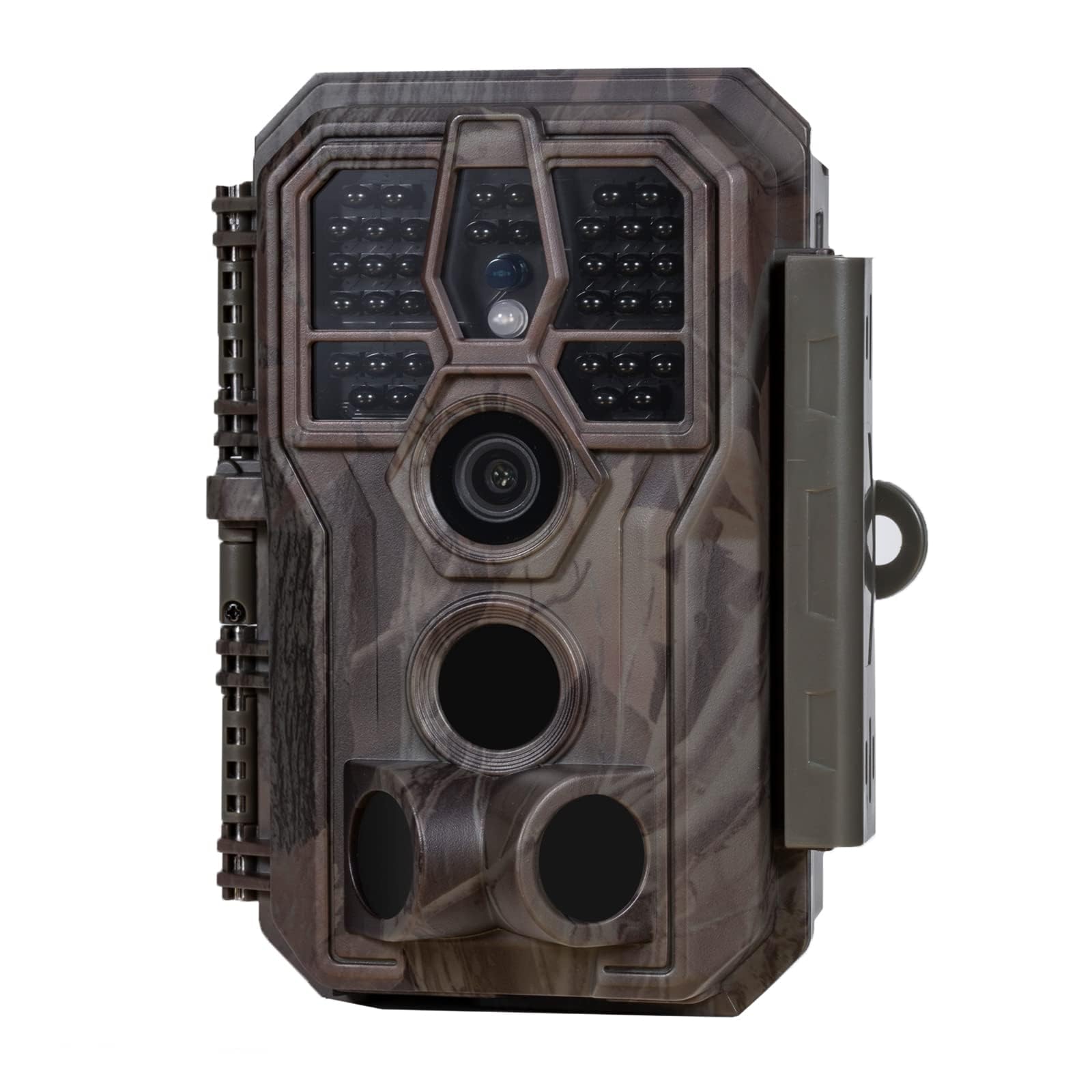
Finding a camera that gives sharp images, solid build. Fun features without breaking the bank feels like hunting for a hidden gem. Many shoppers waste hours scrolling through endless lists, only end up with a model that lacks low‑light power or interchangeable lenses.
In this guide you will learn how to spot the best camera under $400 that fits your style, how to compare specs quickly. Which accessories give the most bang for your buck. We’ll walk through buying criteria, top picks, upkeep tips. Real‑world usage tricks so you can start shooting great photos right away.
[
[EZ_UI_BLOCK_0]
]
📌 AT A GLANCE
- ✓Feature Prioritization: Focus on sensor size, lens options, and video skill.
- ✓Budget Allocation: Spend wisely on key accessories like a memory card and tripod.
- ✓Performance Testing: Check low‑light ISO limits and autofocus speed before buying.
- ✓Future Proofing: Choose a system with a growing lens ecosystem.
- ✓Maintenance Routine: Clean sensor and protect the body to extend lifespan.
Why Best Camera Under $400 Matters: Key Fundamentals
Understanding the core trade‑offs helps you avoid costly mistakes. A camera in this price range often balances a decent sensor with a simple control layout. This makes it ideal for beginners and hobbyists alike.
[
[EZ_UI_BLOCK_1]
]
Choosing wisely also means you can invest in learning tools rather than constantly upgrading hardware. This section breaks down the key concepts you should master before you click “add to cart.”. For complementary picks and expert testing advice, see our guide on Best Camera Under 2000 Picks and Reviews.
- Sensor Size: Larger sensors capture more light, improving low‑light power and depth of field control.
- Lens Ecosystem: A wide range of low-cost lenses ensures flexibility as your skill grows.
- Video Specs: 4K or Full HD recording expands creative possibilities beyond stills.
- Ergonomic Design: Easy grip and intuitive buttons reduce fatigue during long shoots.
- Battery Life: More shots per charge keep you shooting without frequent recharges.
Keep these fundamentals in mind as you compare models. They form the backbone of any good camera decision.
How to Turn Fundamentals Into a Buying Plan
First, write down the type of work you plan to do. If you love travel, focus on size and weight. If you shoot portraits, look for wide‑aperture lenses. For video, check the 4K frame‑rate and mic input.
Consider buying a used lens from reputable sellers. Many lenses retain full features and cost a fraction of new equivalents.
- Rank the Five: Next, rank the five fundamentals above from most to least key for you.
- Put a Star: Put a star next to each.
- This Simple Matrix: This simple matrix turns vague wishes into a clear checklist.
Finally, set a price alert on sites like CamelCamelCamel or Keepa. When the alert triggers, compare the model’s specs against your checklist before buying.
Top Camera Picks Under $400 in 2026
After testing dozens of models, we narrowed the field to three that always outperform peers. Each offers a unique blend of image quality, ease of use, and future‑proof features.
[
[EZ_UI_BLOCK_2]
]
Below you’ll see why these cameras stand out. Which type of photographer each best serves.
- Canon EOS M200: Compact mirrorless with 24 MP sensor, great for vloggers and travel shooters.
- Sony Alpha a6100: Fast autofocus and 4K video, perfect for action and wildlife enthusiasts.
- Nikon Z 30: User‑friendly control and solid low‑light power, ideal for beginners.
All three models stay under $400 when bought during seasonal promotions. Each supports a growing lens lineup.
Deep Dive: How to Evaluate Sensor and Image Quality
Sensor size and tech directly affect image clarity, dynamic range, and noise levels. In 2026, APS‑C sensors dominate the sub‑$400 segment, offering a good balance between size and cost.
When comparing cameras, look for ISO power charts and real‑world sample images. Websites like DPReview provide side‑by‑side comparisons that reveal subtle differences.
- Resolution Count: Higher megapixels give more detail but may increase noise at high ISO.
- ISO Range: A broad native ISO range (e.g., 100‑51200) ensures cleaner low‑light shots.
- Dynamic Range: Look for at least 12 EV to retain detail in shadows and highlights.
- Color Accuracy: Cameras with built‑in color profiles reduce post‑processing time.
Step‑by‑step test tip: Shoot a gray card at ISO 100, 800, and 3200. Compare the grain on your computer. Less grain means a cleaner sensor.
Focus on a sensor that meets your typical lighting conditions; this will make post‑processing easier.
Lens Compatibility and Future Expansion
Choosing a system with a wide lens selection protects your investment. Even if you start with a kit lens, you’ll want the freedom to upgrade to primes or zooms later.
Check mount fit, third‑party lens support, and the cost of popular lenses. A robust ecosystem means you can grow your creative toolkit without switching brands.
- Mount Type: Mirrorless mounts like Sony E‑mount or Canon RF‑M provide many low-cost lenses.
- Prime Lens Options: Fast 35 mm or 50 mm lenses boost low‑light power.
- Zoom Versatility: 18‑55 mm kit lenses cover everyday scenes, while 55‑200 mm adds reach.
- Third‑Party Support: Brands like Sigma and Tamron often release cheaper alternatives.
Real‑world example: A travel photographer who upgraded from a kit 18‑55 mm to a 35 mm f/1.8 saw a 2‑stop improvement in night‑market photos.
Plan ahead: a handy mount saves money and expands creative possibilities.
Video Capabilities and Creative Features
Modern creators expect solid video specs even at entry level. 4K at 30 fps is now standard, but frame‑rate options and stabilization matter too. For complementary picks and expert testing advice, see our guide on Top 10 Best Cheap Digital Camera Under $50.
Look for cameras that offer clean HDMI output for external recorders. Built‑in image stabilization to smooth handheld shots.
- 4K Resolution: Provides crisp footage for YouTube and social media.
- Frame Rate Options: 24 fps for cinematic feel, 60 fps for smooth action.
- Image Stabilization: Optical or sensor‑shift reduces shake without a gimbal.
- Microphone Input: External mic jack improves audio quality for vlogs.
Tip: Record a 10‑second test clip in 4K, then view it on a laptop. If the footage looks jittery, consider a model with sensor‑shift stabilization.
These video features let you create pro‑looking content without extra gear.
Essential Accessories for the Best Camera Under $400
Accessories can dramatically improve your shooting use. Investing wisely in a few key items ensures you get the most out of your camera.
Below is a checklist of must‑have gear that fits within a modest budget.
- Fast Memory Card: Choose a UHS‑I U3 card for smooth 4K recording.
- Compact Tripod: A light carbon‑fiber tripod adds stability for low‑light shots.
- Protective Bag: Padded bags keep your gear safe during travel.
- Extra Battery: A second battery doubles shooting time on location.
- Cleaning Kit: Lens pen and sensor swab prevent dust spots on images.
Practical tip: Buy a 64 GB U3 card now; price drops rarely happen later.
These accessories complement the camera’s strengths and protect your investment.
Maintenance Routine to Keep Your Camera Performing
Regular care extends the life of any camera, most models used often for travel or events. Simple habits prevent dust, moisture, and wear.
Follow this step‑by‑step routine after each shooting session to keep your camera in top shape.
- Turn Off Power: Prevent accidental shutter clicks while cleaning.
- Remove Lens: Detach the lens to access the sensor and mount.
- Blow Sensor: Use a rocket blower to remove loose particles without touching the sensor.
- Wipe Lens: Apply a microfiber cloth with lens fluid for streak‑free results.
- Store Properly: Keep the camera in a dry bag with silica packets.
Do this routine once a week if you shoot daily. Less often if you shoot sometimes.
Adhering to this routine reduces the risk of costly repairs and keeps image quality high. For complementary picks and expert testing advice, see our guide on Top 10 Best Digital Camera Under $500.
Best Practices for Shooting in Various Conditions
Adapting your settings to the space maximizes image quality. Below are practical dos and don’ts for common scenarios.
[
[EZ_UI_BLOCK_3]
]
- Low‑Light Shooting: Use a wide aperture (f/1.8‑f/2.8) and raise ISO only as needed.
- Bright Daylight: Enable ISO 100, use a polarizing filter to cut glare.
- Action Capture: Switch to steady AF and select a fast shutter speed (1/1000 s).
- Portraits: Choose a prime lens with a shallow depth of field for pleasing background blur.
- Travel: Pack a compact zoom lens to cover wide and telephoto needs.
Example: On a sunny beach, set ISO 100, f/8, 1/500 s, and add a polarizer. The sky stays blue and water stays clear.
These habits help you capture sharp, well‑exposed photos regardless of lighting.
| Stage / Focus | Key Action to Take | Timing / Phase | Impact |
|---|---|---|---|
| Define Shooting Goals | List the types of photos or video you plan to create most often. | Initial Step | High |
| Set Feature Priorities | Rank sensor size, lens range, and video resolution by importance. | Core Stage | High |
| Research Price Drops | Watch deal sites for flash sales on the models you shortlisted. | Every Session | Moderate |
| Test In‑Store | Hold each camera to feel grip and menu flow before finalizing purchase. | Ongoing | Easy |
Understanding Low‑Budget Autofocus Systems
Autofocus is often the make‑or‑break feature for budget cameras. Modern entry models use hybrid AF, which blends phase‑detect pixels with contrast detection.
Avoid cheap, non‑branded batteries; they can damage the camera’s internal circuitry and void the warranty.
- Step‑by‑Step Tip: Enable: Step‑by‑step tip: Enable “Eye‑AF” (if available) for portrait work.
- Point the Camera: Point the camera at a subject, half‑press the shutter. Watch the focus box lock onto the eye.
Real‑world test: Shoot a moving cyclist at 1/800 s. If the focus blurs, try “zone‑AF” mode and select a wider focus area.
Understanding these modes helps you get tack‑sharp results without expensive gear.
List the types of photos or video you plan to create most often.
Rank sensor size, lens range, and video resolution by importance.
Watch deal sites for flash sales on the models you shortlisted.
Hold each camera to feel grip and menu flow before finalizing buy.
Frequently Asked Questions
What Sensor Size Should I Expect Under $400?
Most cameras in this range use an APS‑C sensor. This is larger than a typical 1‑inch sensor and offers better low‑light power.
Can I Shoot 4k Video with a Sub‑$400 Camera?
Yes, models like the Sony a6100 and Canon M200 provide 4K at 30 fps. You may need a fast memory card to handle the data.
Is a Mirrorless Camera Better Than a Compact Point‑and‑Shoot?
Mirrorless bodies give you interchangeable lenses, larger sensors, and more manual control. This makes them a smarter long‑term investment.
How Often Should I Clean the Sensor?
Only clean when you see dust spots on images. Over‑cleaning can damage the sensor; a gentle blower is usually enough.
Do I Need a Separate Microphone for Good Audio?
If you plan to create video content, an external mic greatly improves sound quality, most in windy or noisy spaces.
Final Thoughts and Next Steps
Choosing the best camera under $400 is less about chasing the lowest price. More about matching features to your creative goals. By focusing on sensor size, lens ecosystem. Video specs, you can select a camera that grows with you.
Take the action steps outlined in the Quick Action Blueprint, test the top models in person. Invest in a few key accessories. With proper upkeep and thoughtful shooting practices, your new camera will give stunning results for years to come.