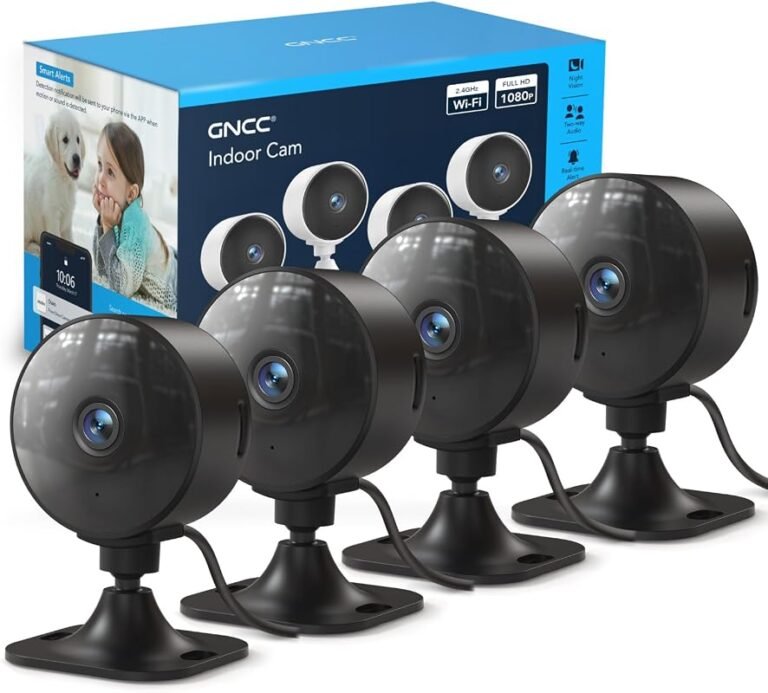
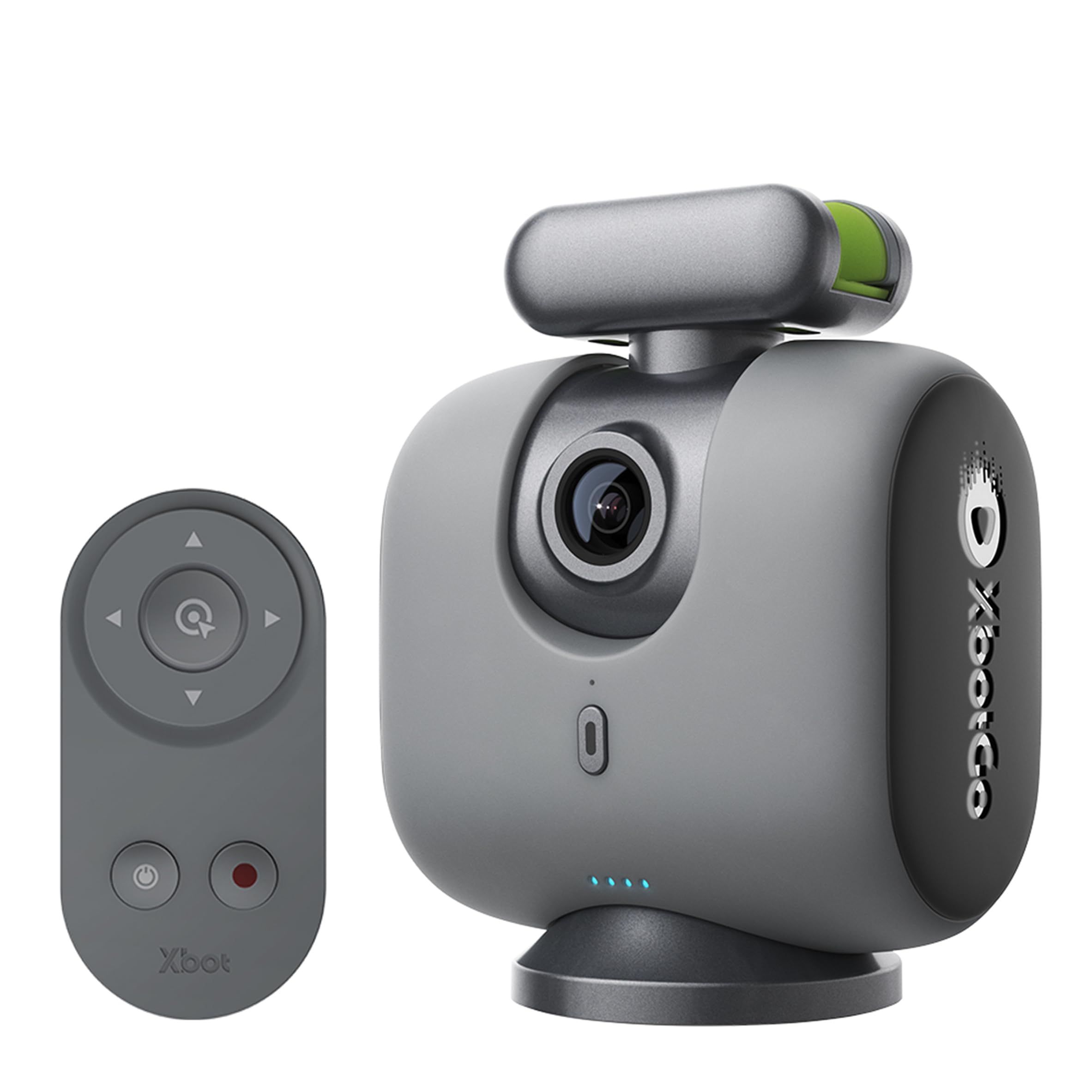
Imagine walking through your yard at night, feeling completely safe. This happens because a discreet eye watches every corner. Yet you never see a surprise bill pop up each month. Many homeowners dread hidden fees and endless contracts. So they end up with a camera that costs more than it saves.
We’ll guide you through finding the best outdoor home security camera without subscription, show how to set it up, keep it running, and avoid common traps. By the end, you’ll know exactly which model fits your budget, how to install it in minutes. How to protect your home for years.
📌 AT A GLANCE
- ✓Zero Ongoing Fees: Choose cameras that store video locally or on free cloud tiers.
- ✓True Night Vision: Look for infrared LEDs with at least 30‑foot range for clear darkness footage.
- ✓Weather Proofing: Pick IP67‑rated units to survive rain, snow, and extreme heat.
- ✓Smart Integration: Ensure fit with Alexa, Google Home, or Apple HomeKit.
- ✓Privacy Controls: Opt for models that let you disable mic and camera on demand.
Foundational Overview & Key Principles
Before you click “buy,” understand the core elements that make a camera truly subscription‑free. First, storage matters: local SD cards or free on‑device memory keep you from paying monthly cloud fees.
Second, power options—solar panels versus wired AC—determine placement flexibility. Third, connectivity: a stable Wi‑Fi link or 4G LTE backup prevents lost footage during outages. For complementary picks and expert testing advice, see our guide on 5 Top Outdoor Security Cameras Without Subscription for 2026 – Expert Picks.
Map high‑risk spots like side doors, garages, and dark corners.
Use a mobile app to test signal strength where you plan to mount each camera.
Decide between solar panels, PoE, or battery packs based on location.
Pick an SD card size that matches your desired retention period.
These pillars shape your decision and affect long‑term trust. By focusing on storage, power. Connectivity, you can pick a system that stays functional and low-cost for years.
- Local Storage: An SD card slot lets you keep video for weeks without extra cost.
- Solar Power: Solar panels reduce wiring needs and keep cameras running during blackouts.
- Wi‑Fi Range: Dual‑band routers ensure a strong signal even at the far edge of your property.
- IP Rating: IP67 protection safeguards against dust and water intrusion.
- Open API: An open API allows custom alerts and integration with existing smart hubs.
Remember, the best camera balances these traits while staying simple to install. Next, let’s break down the quick actions you can take today.
Essential Guide to Best Outdoor Home Security Camera Without Subscription: Key Insights
Model selection hinges on three factors: video quality, storage flexibility, and smart home fit. Look for 1080p or higher resolution for clear facial recognition. Ensure the camera offers motion‑triggered recording to save space.
** Use a dedicated SSID for all smart home devices, including cameras. This isolates traffic and improves both security and Wi‑Fi power.
Many brands market “free cloud” but hide limits in data caps. Focus on genuine local storage or truly free cloud tiers with no expiration. Below is a concise comparison of top models that meet these standards.
- Eufy Cam 2C Pro: 2K video, 16 GB local storage, solar optional, no fees.
- Arlo Essential Indoor/Outdoor: 1080p, free tier up to 30 days, IP65, battery powered.
- Reolink Argus 3 Pro: 2K, solar panel, 128 GB microSD, works with HomeKit.
- Wyze Cam v4 Outdoor: 1080p, 32 GB SD, IP66, Alexa integration.
- Ring Stick Up Cam Battery: 1080p, optional free tier, solar mount, works with Ring Alarm.
Each option offers a different blend of power, storage, and smart features. Pick the one that aligns best with your home’s layout and your preferred ecosystem.
Step‑by‑Step Installation Guide
Installing a camera is easier than you think. With the right tools and a clear plan, you can finish in under an hour. Follow these steps for a secure, weather‑proof setup.
- Gather Tools: Screwdriver, drill, level, and mounting brackets come with most kits.
- Plan Placement: Choose spots with clear sightlines and within 30 feet of your router.
- Mount Bracket: Secure the bracket to a stud or wall using provided screws.
- Connect Power: Attach solar panel or plug into an outlet, ensuring a tight seal.
- Pair Device: Use the companion app to add the camera to your Wi‑Fi network.
- Test Recording: Trigger motion from a phone and check video saves to the SD card.
After installation, run a quick test night mode to confirm night vision clarity. Adjust angle if needed, then lock the bracket firmly to avoid wobble.
Optimizing Video Quality and Night Vision
Clear video is key for identifying intruders. Most cameras let you tweak resolution, frame rate, and infrared intensity. Set the resolution to at least 1080p for facial detail. Enable HDR if available for high‑contrast scenes.
Night vision works best when infrared LEDs have a clear line of sight. Trim any foliage that blocks the view. Avoid pointing directly at bright streetlights to reduce glare.
- Resolution Setting: Choose 1080p or 2K for crisp images, most for license plates.
- Frame Rate: 15‑30 fps balances smooth motion with storage speed.
- IR Range: Check the advertised night vision range meets your yard’s depth.
- Motion Sensitivity: Adjust sensitivity to avoid false alerts from pets.
- Zone Masking: Exclude areas like road traffic to focus on your property.
Fine‑tuning these settings ensures you capture useful footage without filling the SD card too quickly.
Power Management and Battery Longevity
Battery‑powered cameras offer flexibility but need careful power planning. Solar panels extend runtime, while high‑size batteries reduce charging cycles. Keep the battery above 20 % to avoid missed recordings. For complementary picks and expert testing advice, see our guide on 10 Best Home Security Cameras Without Subscription – Expert Picks for.
Regularly check the battery health in the app. Clean solar panels from dust or snow to maintain speed.
- Solar Alignment: Position panels at a 45‑degree angle facing the sun.
- Battery Check: Review charge level weekly and replace after 12‑18 months.
- Power‑Saving Mode: Enable low‑power mode when motion is low.
- Temperature Impact: Cold weather reduces size; consider insulated mounts.
- Backup Power: Keep a small UPS for wired models during outages.
By managing power wisely, you keep the camera alive through seasons without extra costs.
Privacy, Data Security, and Firmware Updates
Even without a subscription, your camera can be a privacy risk if left unsecured. Always change default passwords, enable two‑factor authentication, and keep firmware up to date. Makers release patches for known vulnerabilities, so regular updates protect your feed.
Most apps will alert you when a new version is ready. Schedule a monthly check to apply updates. Disable the microphone if you only need video.
- Strong Password: Use a unique, long password with letters, numbers, and symbols.
- Two‑Factor Auth: Add an extra layer of login protection via email or authenticator app.
- Firmware Schedule: Check for updates every 30 days and install promptly.
- Microphone Control: Mute the mic when not needed to protect privacy.
- Network Segmentation: Place cameras on a separate VLAN to limit access.
These steps keep your footage private and your system safe from hackers.
Maintenance Routine and Troubleshooting
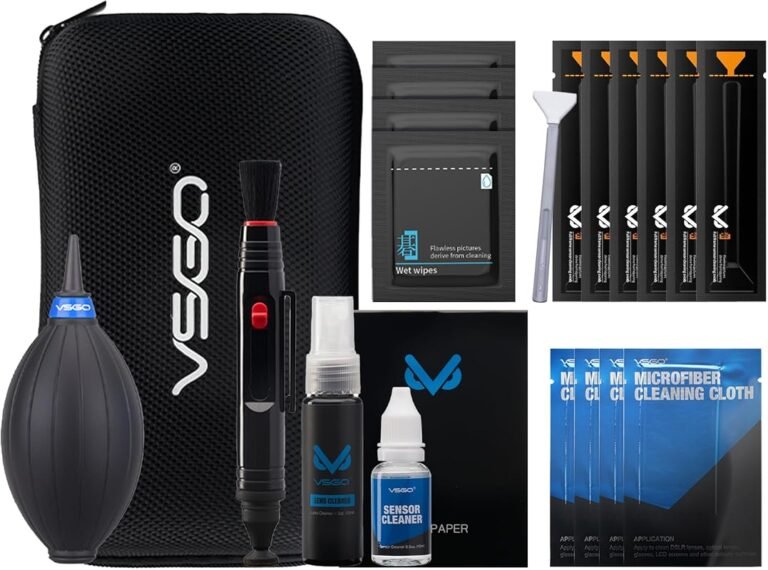
Regular upkeep prevents image degradation and hardware failures. Clean the lens monthly with a microfiber cloth. Inspect seals for cracks after harsh weather.
If you notice lag or missed recordings, run a quick network speed test. Ensure the camera’s firmware is current. For complementary picks and expert testing advice, see our guide on Top 10 Best Wireless Security Camera System Without Subscription.
- Lens Cleaning: Wipe gently with a dry microfiber pad to avoid scratches.
- Seal Inspection: Check rubber gaskets for wear after storms.
- Network Test: Check at least 5 Mbps upload speed for smooth streaming.
- Reboot Device: Power cycle the camera if motion alerts stop.
- Replace SD Card: Swap out cards older than 2 years to avoid corruption.
Following this schedule keeps your camera sharp and steady year after year.
Best Practices for Secure Outdoor Surveillance
Adhering to best practices maximizes security while minimizing hassle. Combine strategic placement with smart alerts to stay ahead of potential threats.
** Never expose the SD card slot to direct rain. Use a waterproof seal or place the camera under an eave to protect the memory from moisture.
- Height Positioning: Mount cameras 8‑10 feet high to avoid tampering.
- Angle Overlap: Ensure fields of view overlap by 20 % for blind‑spot coverage.
- Alert Customization: Set motion alerts only for human shapes to reduce noise.
- Legal Compliance: Point cameras away from neighbors’ yards to respect privacy laws.
- Secure Mounts: Use tamper‑proof screws to deter theft.
These practices help you build a robust, law‑abiding surveillance system.
| Stage / Focus | Key Action to Take | Timing / Phase | Impact |
|---|---|---|---|
| Identify Coverage Zones | Map high‑risk spots like side doors, garages, and dark corners. | Initial Step | High |
| Check Wi‑Fi Strength | Use a mobile app to test signal strength where you plan to mount each camera. | Core Stage | High |
| Select Power Source | Decide between solar panels, PoE, or battery packs based on location. | Every Session | Moderate |
| Choose Storage Size | Pick an SD card capacity that matches your desired retention period. | Ongoing | Easy |
Frequently Asked Questions
Can I Truly Avoid Any Subscription Fees?
Yes. Choose models that store video locally on an SD card or use a free cloud tier without hidden data caps. Always read the fine print to confirm no hidden fees after a trial period.
How Much Storage Do I Need for 30‑Day Retention?
For 1080p video at 15 fps, a 64 GB card holds roughly 10‑12 days of motion‑triggered footage. A 128 GB card usually covers 20‑30 days, depending on activity level.
Do These Cameras Work with Alexa and Google Home?
Most major brands, including Eufy, Arlo, and Reolink, offer built‑in Alexa and Google Assistant skills. Check the product page for specific voice‑control fit.
What If My Wi‑Fi Drops During a Storm?
Battery‑powered models with local storage keep recording even offline. Once the network returns, the footage syncs on its own.
Are There Any Privacy Concerns with Built‑in Microphones?
Yes. If you only need video, mute or disable the mic in the app settings. This reduces data exposure and complies with many local privacy regulations.
Final Thoughts and Next Steps
Choosing the best outdoor home security camera without subscription means balancing video quality, power options. Smart integration while keeping costs low. By following the steps above, you’ll install a steady system that protects your home and respects your budget.
Start by picking a model that meets your storage. Power needs, then map out coverage zones and install each unit carefully. Keep firmware updated, maintain the hardware, and enjoy peace of mind without surprise fees.
Take action today: map your yard, compare the featured models. Order the camera that fits your lifestyle. Your home will be safer, and your wallet will thank you.