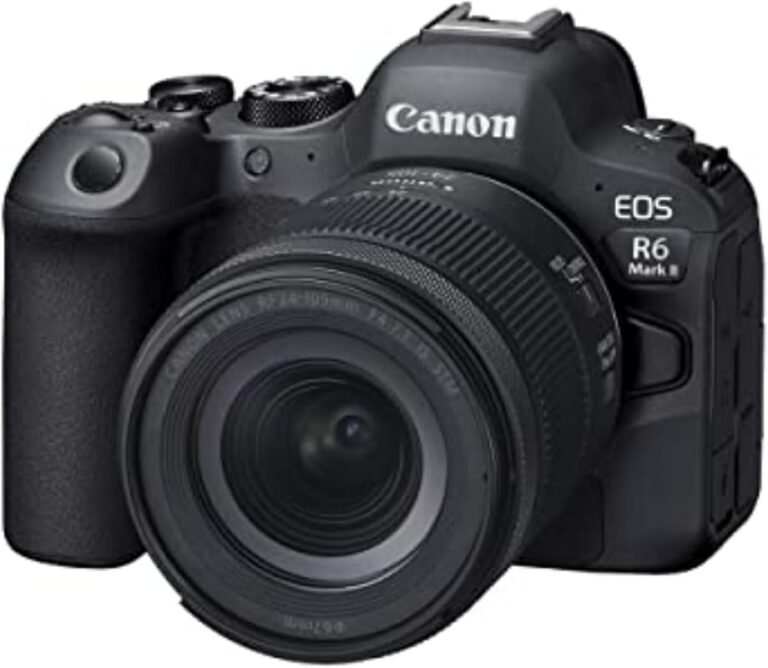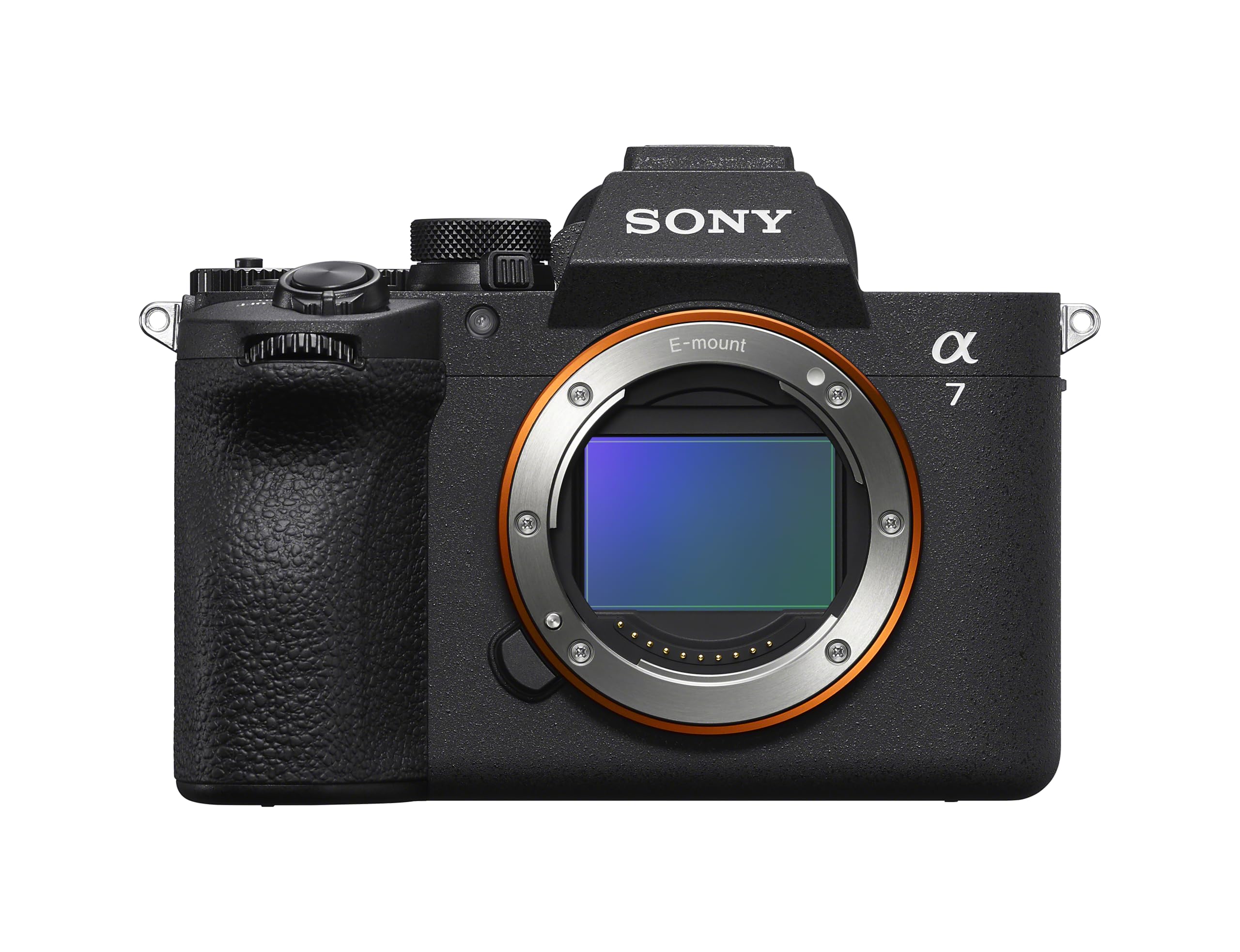
When you stand on a ridge at sunrise, the sky blushes and the valley below awakens. Yet a blurry shot can ruin that magic. Many photographers miss the chance to capture crisp, sweeping vistas. This happens because they choose gear that lacks the right resolution, dynamic range, or weight for long hikes.
In this guide we will walk you through the exact steps to pick the best mirrorless camera for landscape photography. You will learn how sensor size, lens ecosystem, battery life. Weather sealing affect your shots. We’ll give you a clear action plan to compare models, test them in the field, and protect your investment.
📌 AT A GLANCE
- ✓Resolution Matters: Choose at least 30 MP for large prints and cropping freedom.
- ✓Dynamic Range Wins: Look for 13+ EV to retain sky‑to‑ground detail.
- ✓Weight Balance: Aim for sub‑1 kg bodies for mountain treks.
- ✓Weather Sealing: Ensure dust‑ and splash‑proof build for harsh elements.
- ✓Future Lens Options: Pick a system with a growing selection of ultra‑wide lenses.
Essential Guide to Best Mirrorless Camera for Landscape Photography: Key Insights
Landscape work relies on capturing light exactly as you see it. A sensor that can handle high contrast, a sturdy body that survives rain. Lenses that stay sharp at 14 mm all play a part. Missing any of these can force you to edit heavily or even abort a shoot.
Identify the print size you need and set a minimum megapixel count.
Check IPX or equivalent sealing on the body and lenses you plan to use.
Ensure at least one native lens reaches 14 mm or wider.
Simulate a full‑day shoot to confirm the camera lasts 10+ hours.
Understanding the fundamentals helps you avoid costly upgrades later. Below is a quick checklist to keep your priorities straight before you start browsing. For complementary picks and expert testing advice, see our guide on Top 10 Best Landscape Photography Camera.
- Sensor Size: Full‑frame sensors offer the best low‑light power and depth of field control.
- Resolution Threshold: 30 MP or higher ensures detail for large canvas prints.
- Dynamic Range: Aim for 13 EV or more to keep skies and shadows balanced.
- Weather Sealing: Look for IPX‑type ratings to protect against rain and dust.
- Lens Ecosystem: A wide selection of ultra‑wide and tilt‑shift lenses expands creative options.
Keeping these five pillars in mind will guide every later decision, from budget to accessories.
Top Sensor Choices for Landscape Mastery
Sensor tech has leapt forward, giving mirrorless bodies a dynamic range that rivals medium format. Full‑frame sensors dominate the market. But APS‑C options can still give excellent results when paired with the right lenses.
Invest in a high‑quality circular polarizer early. It reduces glare, deepens sky color. Protects the front element from dust during windy hikes.
Below we compare the key specs of the leading sensor formats. This helps you decide which matches your style and budget.
- Full‑Frame Excellence: Offers the widest dynamic range and best low‑light power.
- APS‑C Flexibility: Lighter bodies and lenses, often at a lower price point.
- Micro‑Four‑Thirds Lightness: Ultra‑compact, but may need higher ISO to match detail.
- Back‑Illuminated Design: Improves light gathering without increasing sensor size.
- Stacked Sensor Speed: Enables fast readout, reducing rolling‑shutter artifacts in windy scenes.
Most pros still favor full‑frame for landscape. But APS‑C can be a smart choice for travel‑heavy photographers.
Lens Ecosystem: Wide‑Angle Options That Shine
A great sensor is only half the story. The lens determines how much sky you can capture. Ultra‑wide lenses (14 mm – 24 mm) are key for dramatic vistas. Tilt‑shift lenses give control over perspective.
Consider both native and third‑party options to future‑proof your kit.
- Ultra‑Wide Prime: 14 mm f/2.8 lenses give sharp edges and minimal distortion.
- Zoom Versatility: 16‑35 mm f/4 zooms cover most scenes with a single lens.
- Tilt‑Shift Control: Allows you to correct converging lines in architecture shots.
- Third‑Party Options: Brands like Sigma and Tamron add low-cost alternatives.
- Future Lens Roadmap: Choose a mount with announced ultra‑wide releases for growth.
When you pair a high‑resolution body with a top‑tier ultra‑wide lens, you capture the full grandeur of nature without cropping. For complementary picks and expert testing advice, see our guide on Top 3 Best Mirrorless Camera for Wildlife Photography.
Battery Life and Power Management in the Field
Long hikes demand a camera that can keep shooting for hours. Mirrorless bodies often consume more power than DSLRs, but recent models have closed the gap.
Here’s how to test and extend battery power.
- Capacity Rating: Look for 2000 mAh or higher cells.
- Power‑Save Modes: Enable auto‑sleep and EVF dimming.
- External Grip: Some models support battery grips for double life.
- Cold Weather Tips: Keep batteries close to your body to maintain heat.
Spare Batteries: Carry at least one fully charged backup.
By planning power use, you avoid missed golden‑hour moments due to a dead battery.
Weather Sealing and Durability for Harsh Conditions
Mountain tops, misty forests, and coastal cliffs expose gear to rain, dust, and salt spray. A camera without proper sealing can fail when you need it most.
Check these strength markers before buying.
- IPX Rating: IPX‑7 or higher protects against heavy rain.
- Dust‑Proof Buttons: Gaskets around dials stop sand ingress.
- Temperature Range: Operates safely from –10 °C to 40 °C.
- Corrosion‑Resistant Materials: Magnesium alloy frames resist salt damage.
- Lens Seal Compatibility: Ensure lenses share the same sealing standard.
Weather‑sealed bodies let you shoot in any climate without worrying about equipment failure.
Comparative Table of Leading Mirrorless Models (2026)
| Brand & Model | Sensor Size | Megapixels | Dynamic Range (EV) | Weight (g) | Weather Seal |
|---|---|---|---|---|---|
| Sony A7R V | Full‑frame | 61 | 15.0 | 665 | IPX‑8 |
| Nikon Z 9 | Full‑frame | 45.7 | 14.5 | 1340 | IPX‑8 |
| Canon R7 | APS‑C | 32.5 | 13.8 | 612 | IPX‑7 |
| Fujifilm X‑H2S | APS‑C | 40 | 13.5 | 660 | IPX‑7 |
| Panasonic S5 II | Full‑frame | 24.2 | 13.2 | 610 | IPX‑8 |
Best Practices for Shooting Landscape with Mirrorless Gear
Even the best camera can falter without solid technique. Follow these habits to get steady, stunning results. For complementary picks and expert testing advice, see our guide on Top 3 Best Affordable Camera for Landscape Photography.
Never rely on a single battery for a full‑day shoot in remote locations. Always pack at least two spares and a portable charger.
- Use Tripod Stability: A sturdy tripod prevents blur at low shutter speeds.
- Set Manual Focus: Lock focus on a distant point to avoid hunting.
- Employ Exposure Bracketing: Capture 3‑shot HDR stacks for dynamic skies.
- Turn Off Image Stabilization: When on a tripod, disable IS to avoid micro‑shifts.
- Check Histogram: Ensure no clipping in highlights or shadows.
Adopting these practices turns technical gear into a steady creative partner.
Frequently Asked Questions
What Megapixel Count Is Truly Needed for Landscape Prints?
For 24 × 36 in prints, 30 MP is a easy minimum. Larger formats benefit from 45 MP or more, most when cropping.
Is a Full‑Frame Mirrorless Always Better Than Aps‑C for Landscapes?
Full‑frame offers better dynamic range and low‑light power. But APS‑C can be lighter and cheaper while still giving excellent image quality.
How Important Is in‑Body Image Stabilization (Ibis) for Landscape?
IBIS is helpful for handheld shots, but when using a tripod it adds little value. Focus on sensor size and resolution first.
Can I Use Vintage Lenses on Modern Mirrorless Bodies?
Yes, with appropriate adapters. However, ensure the adapter maintains infinity focus and does not introduce excess flare.
What Is the Best Way to Protect My Camera From Salt Spray at the Coast?
Rinse the camera with fresh water after each shoot, dry it thoroughly. Store it in a sealed bag with silica gel.
Final Thoughts and Next Steps
Choosing the best mirrorless camera for landscape photography is about balancing resolution, dynamic range, weight, and strength. By following the sensor, lens, battery. Weather guidelines above, you can build a kit that captures the world’s beauty without compromise.
Start by narrowing your list to two or three models that meet the core criteria. Test them on a short hike, check battery life, and test how the lenses feel. Then invest in a weather‑sealed body, a fast ultra‑wide prime, and a steady tripod.
With the right gear and disciplined habits, every sunrise will become a canvas you can share confidently.