Ever set up a trail camera only to find blurry night footage or a delayed live feed that leaves you guessing? Many outdoor enthusiasts face this frustration, most when they need real‑time insight into animal activity. Missing that crucial moment can cost research data, hunting success, or simply the joy of watching nature unfold.
We’ll walk you through how to pick the best live stream trail camera, set it up for instant alerts. Keep it running smoothly all year. By the end you’ll know which features truly matter, how to avoid common pitfalls. The exact steps to get steady live streams from the woods to your phone.
[
[EZ_UI_BLOCK_0]
]
📌 AT A GLANCE
- ✓Feature Priorities: Focus on resolution, cellular plan, and battery life for dependable live streams.
- ✓Placement Tips: Aim cameras at travel corridors and use camouflage for natural blending.
- ✓Power Management: Pair solar panels with low‑power mode to extend run time.
- ✓Signal Boosting: Use signal repeaters or high‑gain antennas in remote areas.
- ✓Maintenance Routine: Clean lenses weekly and test connectivity monthly.
Why the Best Live Stream Trail Camera Matters: Key Fundamentals
Live streaming lets you see wildlife as it moves, without waiting for a memory card download. This real‑time view helps researchers track patterns, hunters set ethical limits. Families enjoy instant nature moments. Choosing a camera that balances image quality, connectivity. Strength ensures you never miss a critical event.
[
[EZ_UI_BLOCK_1]
]
Understanding the core tech—cellular modules, motion sensors. Power options—lets you match a device to your terrain and budget. Below are the main concepts you should master before buying. For complementary picks and expert testing advice, see our guide on Top 10 Best Ptz Camera for Church Live Streaming.
- Cellular Connectivity: A strong LTE or 5G link sends video straight to your phone, reducing lag.
- Motion Sensitivity: Flex PIR sensors detect animals at varying distances without false triggers.
- Battery Efficiency: Low‑power modes and solar panels keep cameras alive for months.
- Image Resolution: 1080p or 4K video provides clear detail for identification and study.
- Weather Rating: IP66 or higher protects against rain, snow, and dust.
By mastering these fundamentals, you set a solid base for a steady live‑stream setup.
Choosing the Right Camera Model
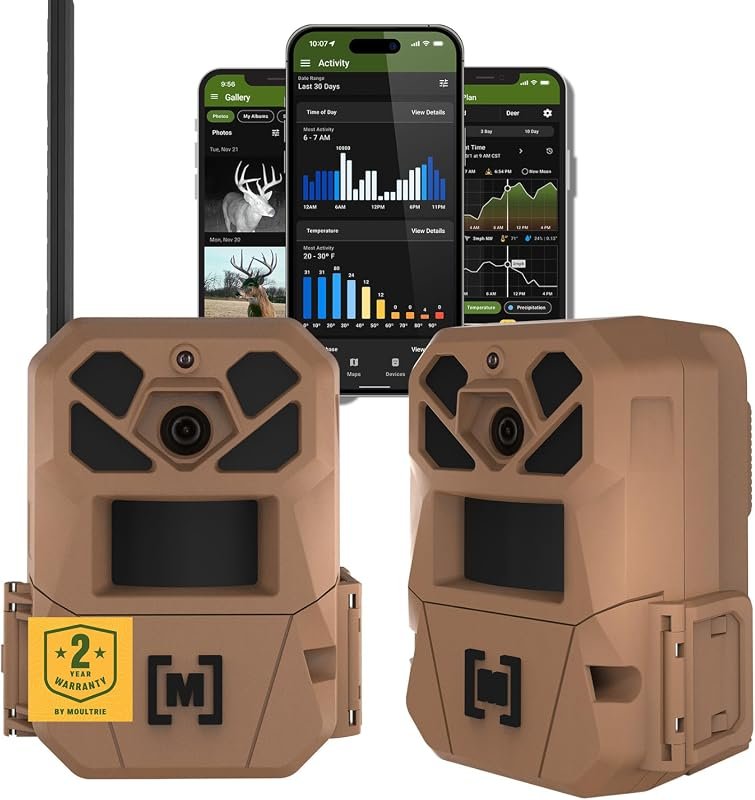
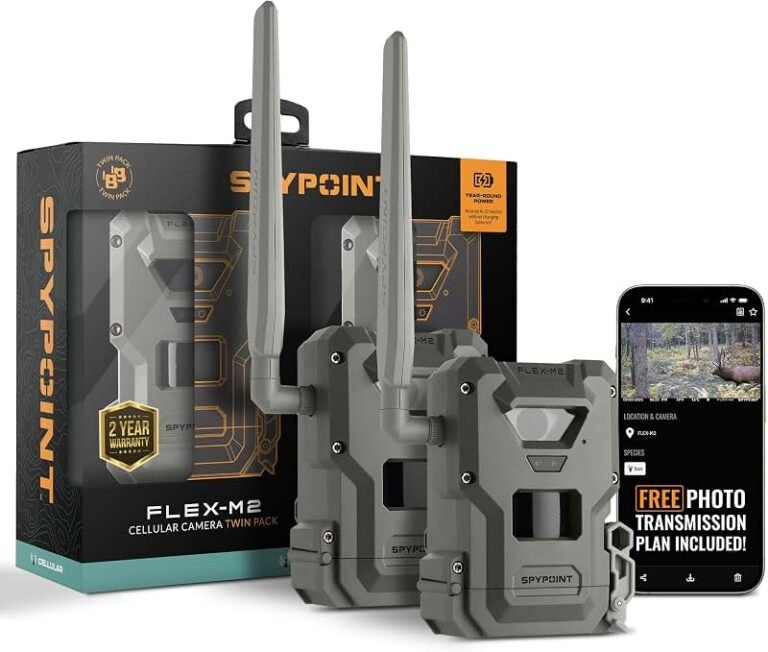
Picking a model starts with comparing core specs. Look for a camera that offers at least 1080p live video, a built‑in LTE module. A robust battery system. Some newer units also include 5G, which can cut latency dramatically in areas with coverage.
Align the solar panel at a 45‑degree angle facing true south (or north in the Southern Hemisphere) for optimal year‑round sunlight capture.
[
[EZ_UI_BLOCK_2]
]
Price points range from $150 for basic models to $500 for premium units with solar panels and AI animal detection. Decide what balance of cost and features fits your needs.
- Resolution Options: 1080p is adequate for most wildlife; 4K adds detail but uses more data.
- Data Plan Flexibility: Look for cameras that support pay‑as‑you‑go SIMs to control expenses.
- AI Detection: Smart models can filter out wind‑blown vegetation, saving data.
- Solar Compatibility: Integrated panels reduce the need for frequent battery swaps.
- Warranty Length: A two‑year warranty protects against early failures in harsh climates.
When you compare these items, you’ll quickly spot the model that gives the most live‑stream value for your budget.
Proper Installation and Placement
Correct placement is key to getting clear, timely streams. Aim the camera at natural funnels like game trails, water sources, or feeding stations. Mount it 5‑7 feet off the ground to capture medium‑sized wildlife without obstruction.
Secure the unit with a sturdy strap or lock‑tight mount. Use camouflage tape to blend it with bark or foliage. This reduces theft risk and prevents animals from noticing the camera.
- Trail Alignment: Position the lens parallel to the path for the widest field of view.
- Angle Optimization: Tilt the camera slightly downward to capture both ground and low‑branch activity.
- Signal Clearance: Keep the antenna clear of dense foliage to improve LTE reception.
- Secure Fastening: Use stainless‑steel brackets to resist wind and wildlife tampering.
- Camouflage Application: Apply natural‑color paint or leaf litter to hide the unit.
Follow these steps to capture crisp live video while keeping the camera safe and hidden.
Power Management and Solar Integration
Power is the lifeblood of any trail camera, most for steady live streaming. While some models run for weeks on AA batteries, solar panels can extend uptime to a full year.
Pair a high‑size lithium battery with a solar panel rated for at least 2 W. This combo ensures the camera recharges during daylight, even on cloudy days. Stays active through winter.
- Battery Capacity: Choose 12,000 mAh or larger for longer night use.
- Solar Panel Rating: A 2‑W panel provides enough charge for most temperate zones.
- Charge Controller: Use a built‑in regulator to prevent over‑charging in bright sun.
- Power‑Saving Mode: Enable “sleep after motion” to cut power draw when idle.
- Weatherproof Wiring: Seal all connections with silicone to guard against moisture.
With proper power planning, your live stream stays online without constant battery swaps.
Optimizing Cellular Connectivity
Even the best camera fails if the signal is weak. Test LTE strength at the planned site using a smartphone app that shows signal bars and speed. If the signal is marginal, consider a signal booster or a high‑gain antenna.
Some cameras support external antennas that can be mounted higher on a pole for better line‑of‑sight to the nearest cell tower.
- Signal Test: Perform a field test at peak usage times to gauge real‑world power.
- External Antenna: Mount a 5‑dBi antenna on a nearby tree to boost reception.
- Cellular Plan: Choose a plan with unlimited data or high‑volume caps for streaming.
- Network Compatibility: Check the camera supports the carrier’s LTE bands.
- Backup SIM: Keep a second SIM ready in case the primary network goes down.
Optimizing connectivity ensures the live feed reaches your phone with minimal lag. For complementary picks and expert testing advice, see our guide on Top 10 Best Live Stream Camera.
Maintenance, Cleaning, and Troubleshooting
Regular upkeep prevents image distortion and keeps the live stream steady. Clean the lens weekly with a lint‑free cloth. Check the housing for cracks after storms.
If the stream drops, start by confirming power levels, then test the cellular link. Finally inspect the motion sensor for debris.
- Lens Cleaning: Use a microfiber cloth. A few drops of lens cleaner for clear images.
- Battery Check: Check voltage levels; replace cells if they fall below 1.2 V per AA.
- Signal Verification: Run a ping test from the camera’s app to assess latency.
- Firmware Updates: Install the latest software to fix bugs and improve power.
- Sensor Clearing: Remove leaves or spider webs that may block PIR detection.
Following a simple upkeep schedule reduces downtime and extends the camera’s life.
Best Practices for Ethical Wildlife Observation
Live streaming wildlife brings you close to nature, but it also carries responsibility. Keep cameras at a respectful distance, avoid shining lights directly on animals. Follow local regulations on camera placement.
[
[EZ_UI_BLOCK_3]
]
Use motion‑triggered alerts to limit constant streaming, which can drain power and overwhelm data plans.
- Respect Distance: Position the camera at least 30 ft from known nesting sites.
- Low‑Light Mode: Enable infrared LEDs instead of white flash to avoid disturbance.
- Data Privacy: Secure your live feed with password protection to prevent unauthorized viewing.
- Legal Compliance: Check state wildlife agency rules before installing cameras on public land.
- Minimal Footprint: Use existing trails for access to reduce habitat impact.
Ethical practices protect both the animals and your ability to capture authentic behavior.
Advanced AI Features and Their Real‑World Benefits
AI detection is no longer a luxury; it is becoming standard in 2026 models. These algorithms learn to tell a deer from a gust of wind, cutting false alerts by up to 80 %.
When you enable AI, the camera tags each clip with the species it believes it saw. You can then filter your phone feed to show only the animals you care about.
- Species Filtering: Set the camera to alert only for big game, saving data.
- Heat‑Map Mapping: Some apps create a heat map of activity over weeks.
- Learning Mode: Let the AI train for a week, then review false‑positive logs.
- Battery Savings: Fewer false triggers mean the unit sleeps more often.
- Data Savings: Only relevant video uploads, keeping monthly costs low.
AI adds intelligence, reduces clutter, and makes live streaming practical for long‑term projects. For complementary picks and expert testing advice, see our guide on Top 10 Best Video Camera for Live Streaming.
Dealing with Challenging Environments: Snow, Dense Canopy, and Water
Harsh weather can ruin a cheap camera. Here are proven tricks for three tough settings.
Never attempt to open the camera housing. Meanwhile, it is powered; disconnect the battery first to avoid short‑circuit damage.
Snowy Terrain
- Choose a Camera: Choose a camera with an internal heater or a built‑in anti‑freeze coating.
- Mount the Unit: Mount the unit on a north‑facing branch to keep snow off the lens.
- Small Rubber Shield: A small rubber shield angled upward stops snow buildup.
Dense Canopy
Signal loss is common under thick leaves. Install a short pole (8‑ft) to raise the antenna above the canopy. Pair this with a 10‑dBi directional antenna pointing toward the nearest tower.
Near Water
Moisture can corrode contacts. Use silicone sealant on every seam and choose a camera rated IP68 for submersion resistance. Add a drip loop on the power cable to divert rain.
Adapting to each space keeps your live stream steady year‑round.
Use a mobile app to map LTE coverage where you plan to install the camera.
Adjust sensor distance to 30‑80 ft based on typical animal paths.
Pair a solar panel with a high‑size battery for year‑round use.
Run a 5‑minute test stream before final mounting to check latency.
Frequently Asked Questions
What Cellular Plan Works Best for Continuous Live Streaming?
Choose a plan with unlimited data or a high‑volume cap (e.g., 10 GB/month). Many providers offer pay‑as‑you‑go SIMs that let you add data as needed. This is ideal for seasonal spikes.
Can I Use a 4g Lte Camera in an Area with Only 3g Coverage?
Most modern cameras are backward fit with 3G. But you’ll use higher latency and lower video quality. Consider a model that supports both LTE and 3G for flexibility.
How Often Should I Clean the Camera Lens?
Clean the lens at least once a week, or after heavy rain or dust storms. A quick wipe with a microfiber cloth prevents blurry frames.
Is Solar Power Reliable in Heavily Forested Areas?
Solar panels work best with direct sunlight. In dense canopy, mount the panel on a pole or in a clearing to capture enough light.
What Can I Do If My Live Feed Freezes Frequently?
First, check battery level and replace if low. Then test the cellular signal; a weak connection often causes buffering. If both are fine, update firmware or reset the camera.
Final Verdict and Buying Advice
Finding the best live stream trail camera hinges on matching resolution, power. Connectivity to your space. By following the placement, power. Upkeep steps above, you’ll enjoy steady, real‑time wildlife footage that enhances research, hunting, or simple nature appreciation.
Start with a signal test at your chosen site. Choose a camera that offers LTE or 5G, AI detection, and solar fit. Install using the placement checklist, set up a data plan with enough bandwidth. Schedule weekly lens cleaning.
Within days you’ll be watching live action from the woods straight on your phone. The right camera turns a hidden forest corner into a live classroom, a hunting scout, or a personal nature theater.